Write the minimum identifying record
Record the VIN, production information, original-market description, generation and offered model designation. Ask the supplier to identify the source of the equipment list. If a field was entered manually, do not treat it as a manufacturer confirmation simply because it appears in a professional spreadsheet.
Keep the original document or description alongside any English summary. Translation can clarify a purchasing discussion, but it should not silently expand what the source says. The generation guide is useful when a year or body description needs resolving before an equipment comparison can proceed.
Separate standard, optional and installed
A brochure can describe standard and optional equipment for a particular market. The offered vehicle may not contain every pictured feature. Ask for evidence of the items that matter to the buyer: seats, lighting, cameras, parking functions, roof, access equipment and audio or display functions.
For each item, record whether it is present, demonstrated and included in the sale. These are different questions. A visible accessory may be removed before delivery unless the scope says otherwise. A feature can also be physically present without its full operation being established. Keep those limitations legible in the buying record.
Handle retrofits without guessing their quality
If a screen, steering wheel, lighting component or exterior package differs from the original record, ask what changed, who performed the work and what documentation is available. A retrofit is not automatically unacceptable, but it should not be presented as original factory equipment without evidence.
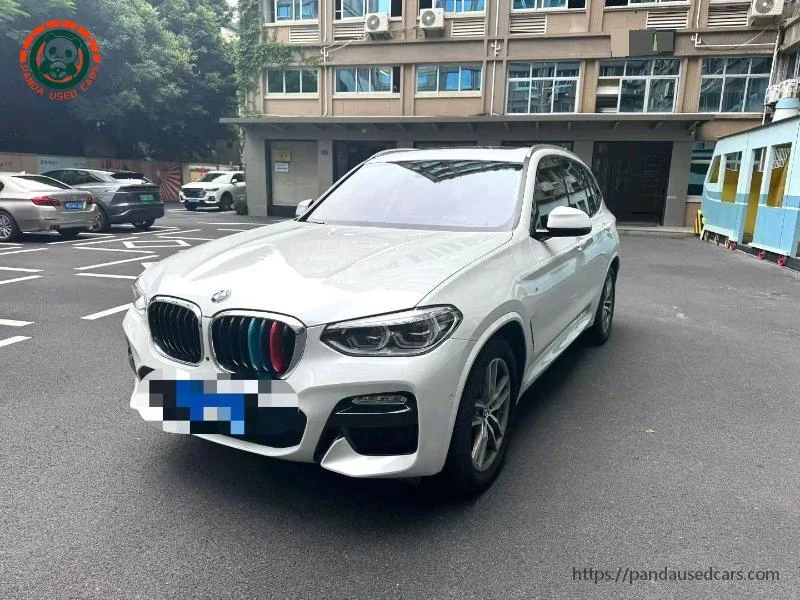
Discuss functional integration and future service needs with a suitable workshop. Photographs can establish appearance, not the quality of wiring or coding. Where a particular function is essential, request a demonstration and identify any dependencies. Do not label a badge or cosmetic grille treatment as proof of a performance derivative.
Give digital features their own evidence
Navigation, account access and online services need more than a picture of an illuminated display. Separate local settings from connected functions and subscriptions. A seller’s demonstration in the source market may not answer the buyer’s destination-use question. The digital-function guide sets out a practical test record.
If a dealer is comfortable purchasing without a particular service, record that acceptance explicitly. If the feature is mandatory, leave the candidate unresolved until its status is sufficiently clear. This avoids promising customers functionality that was never actually verified in the purchase process.
Compare by requirements rather than badges
Build a short matrix containing mandatory features first. Add preferences beneath them and keep commercially irrelevant options out of the main decision. This makes it easier to recognise when two differently described trims satisfy the same buyer, or when similar trim labels conceal a meaningful equipment difference.
The China body-version review matters if the shortlist includes a long-wheelbase candidate. Do not transfer a global equipment description to it without checking the applicable record. For used cars, keep installed condition separate from original specification; a factory-fitted feature may now require repair or may have been replaced.
Use evidence that another person can review
A good equipment file should remain understandable when the person who collected it is unavailable. Label the relevant photograph or demonstration with the candidate reference and the feature being checked. Keep a short result beside it instead of expecting a later reviewer to search an entire video for an unspecified control.
If the seller supplies only a general brochure, mark it as reference material and ask for the missing vehicle-specific confirmation. This does not make the brochure useless; it simply limits the conclusion it can support. A compact record of ten important features with clear evidence can be more valuable than a long option list whose source and applicability are unknown. Retain that distinction when summarising the car for a customer.
Close the specification before the handover
Imagine an X3 offer with attractive photographs and a broad claim of high specification. The buyer needs heated seating and a particular parking function, but neither is clearly documented. Ask for specific evidence rather than negotiating around the vague trim description. If the seller confirms only one feature, the remaining item must stay unverified.
Once the buyer chooses the vehicle, retain the accepted equipment list with the quotation and handover record. Identify keys, removable accessories and any agreed work. Submit the essential features through the dealer sourcing desk, then convert them into a vehicle-specific acceptance list when a candidate is available. That record is more useful than a long catalogue of options whose installation was never checked.