| Purchase situation | Evidence needed before agreement |
|---|---|
| Traffic-side suitability is unresolved | Give destination providers actual vehicle and lamp details. Hold the lighting requirement open until the responsible party states the relevant assessment or changes needed. |
| Seller proposes a different lamp assembly | Obtain compatible component references, installation and setup scope, and the intended destination outcome. Similar appearance alone is insufficient for acceptance of a lighting change. |
| Premium adaptive feature is claimed | Confirm fitted equipment and arrange an appropriate safe assessment. Price verified functions while keeping any untested operating modes and relevant limitations visible in the offer. |
Identify the lamp system and original market
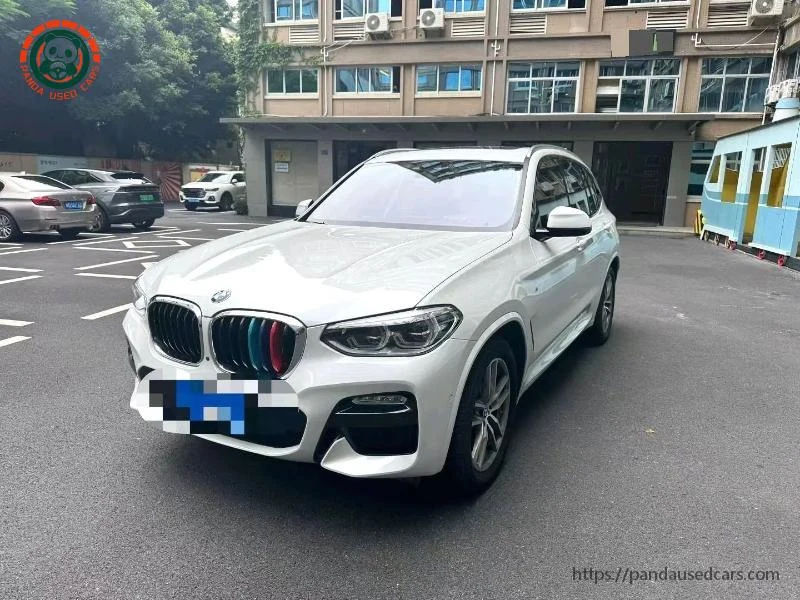
Ask for the vehicle's original market record and the lamp configuration actually installed. Record part markings and disclosed changes where a competent provider can assess them. Different generations and options require their own identification; a broad X3 description is insufficient for a replacement quotation. Use the specification record to distinguish original equipment from a later conversion. Keep left-hand or right-hand traffic suitability separate from steering-wheel location. The buyer needs an assessment of the particular lighting system, not an assumption that a car sourced from one country automatically meets every destination's lighting requirements.
Ask the destination provider a specific question
Give the relevant local provider the actual vehicle and lamp details and ask what evidence or changes are needed for the proposed destination. Requirements and accepted procedures need current confirmation for that transaction. Do not assume that changing a menu setting establishes approval or that an adjustable feature resolves every issue. Keep the provider's scope and written response in the file. If a physical change is required, obtain a parts and installation plan before agreeing the buying allowance. This is a purchasing decision that depends on an identified car, route and destination, rather than a general statement about all imported X3 vehicles.
Inspect lamps as components, not just illumination
Have the inspector record visible lens condition, mounting concerns, condensation observations and any disclosed repair. A lamp lighting up in one photograph does not establish the operation of all claimed functions. Use the applicable instructions for a responsible demonstration and ask a qualified provider to investigate warnings or incomplete operation. Note whether the observation was made with the vehicle stationary and under what lighting conditions. Do not diagnose a damaged module or seal from a remote image alone. A replacement estimate should identify the component and the work needed to achieve an assessed result, not simply promise another lamp.
Review adaptive or additional features individually
If a particular lighting feature affects the price, confirm that it is fitted and can be assessed appropriately. Hardware, controls and operating conditions all matter. Avoid arranging a demonstration that puts other road users at risk, and distinguish a responsible functional check from a destination compliance assessment. Where a feature needs setup after repair, ask who performs it and what completion record is supplied. Added bulbs or altered assemblies may raise separate support questions. The customer should know which functions were verified and which remain subject to further review before using the package description in a resale advertisement.
Budget a complete supported correction
Use the VIN-based parts request to obtain the correct component references and quote the whole job. Include installation, necessary setup, destination assessment and any agreed recheck. Availability of an apparently similar lamp is not proof of compatibility or an acceptable completed conversion. Keep used, repaired and new replacement options separate where the provider proposes them. A low source-market price may become less attractive after a required lighting change. If the work cannot be supported reliably within the buyer's budget and timing, consider a different vehicle rather than treating the issue as an insignificant later detail.
Keep the final lighting outcome in the offer
Before commitment, state whether the car is being purchased in its present configuration or with an agreed change. Name the party responsible and the evidence required before release or destination acceptance. Preserve the lamp details, supporting quotations and any limitations alongside the vehicle identity. New-car equipment still needs review, and used cars additionally need current condition and repair evidence. A substituted vehicle can require a fresh assessment even when the model name and year are similar. The receiving team should have enough information to compare the actual lamps and agreed work with the approved purchase file.
Keep any agreed lighting work in the final acceptance file so the delivered lamps and completion evidence can be reconciled with the offer.
Before you agree the offer
- Original market and installed lamps identified
- Destination assessment requested for the actual car
- Visible condition and function reviewed
- Required parts quoted by vehicle identity
- Installation and setup included
- Acceptance responsibility written into the offer
Buyer questions
Does left-hand drive settle headlight suitability?
No. Steering position and the actual lamp system need separate review against the destination requirements.
Is a travel-mode setting proof of import approval?
No. Ask the responsible destination provider what applies to the identified car and proposed use.