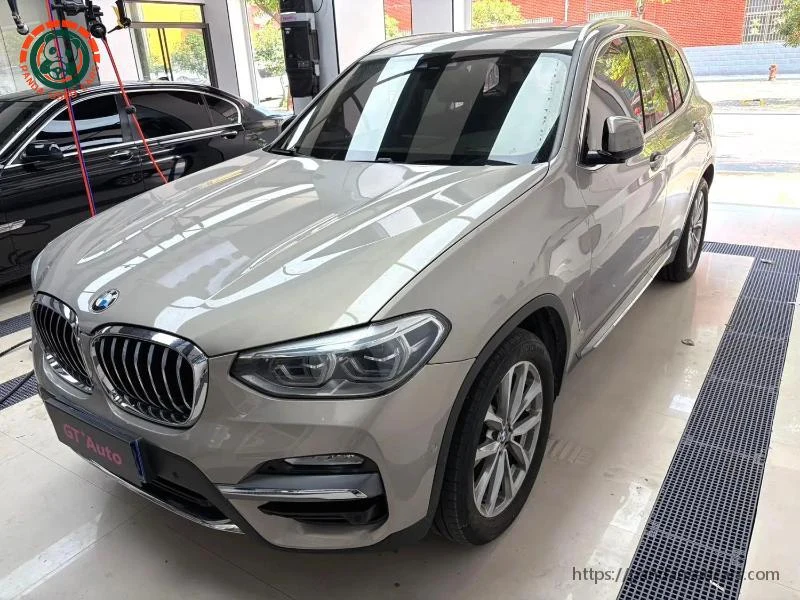
Define what the offer means by new
Ask the supplier to state production date, registration status and recorded delivery mileage. These are separate facts. A car described as new may still need questions about storage, movement and preparation before handover. The commercial description should explain the candidate rather than rely on a headline adjective.
Request photographs of the actual proposed vehicle when it is identifiable, plus its equipment record and a pre-delivery checklist. Do not substitute a current brochure for a confirmed build. If the offer is subject to allocation or future identification, keep that limitation visible and agree when the relevant vehicle evidence will become available.
Inspect the delivery condition of a new car
Review transport marks, paint or trim repairs disclosed by the supplier, tyres, glass, keys and supplied accessories. Ask whether the vehicle has been stored for an extended period and what checks are planned before release. A low odometer reading cannot establish every aspect of storage or preparation.
The inspection scope should reflect the transaction. It is different from reconstructing years of prior ownership, but it still needs a written result. Record exceptions and who will resolve them. Avoid replacing a specific issue with a general promise that all new vehicles are perfect or that all cosmetic work is immaterial to the buyer.
Build the used-car evidence file
For a used X3, connect service entries, mileage observations, prior-use information and physical findings to the same VIN. The history review explains how to keep gaps visible. A vehicle can be worth considering with incomplete records, but missing evidence should not be rewritten as a verified clean history.
Commission a suitable condition assessment and distinguish observed defects from possible causes. Ask about repairs and replacement components where the evidence warrants it. The goal is an informed acceptance decision, not an unsupported guarantee that a particular model year will be free from future maintenance.
Compare the equipment before the age
An older well-specified candidate and a newer differently equipped vehicle may serve different customers. Identify the generation, body version, drivetrain and mandatory cabin functions before calculating a budget difference. Equipment that the end customer will not use may not justify the same priority as an essential function.
Keep the customer’s must-have requirements separate from preferences. If both new and used offers are acceptable, present two identifiable propositions with their own benefits and unresolved points. Do not quietly relax a mandatory body or transmission requirement merely to make one condition category appear more attractive.
Read costs and support as written terms
Use a consistent currency and named delivery stage for the comparison. Identify preparation, inspection, accessories and any other included service. A cheaper used-car offer can require further work; a new-car offer can exclude services that another quotation includes. Neither possibility should be converted into an invented fixed allowance.
Ask who supplies any warranty or after-sales service and where the terms apply. A vehicle being new does not establish cross-border support automatically. The quotation guide helps make these differences explicit so the comparison remains grounded in the actual offers rather than an estimated resale story.
Agree what an alternative may change
If the initial shortlist includes both conditions, define how the comparison will be presented. The buyer should be able to see whether a lower amount comes from condition, age, different equipment or a narrower delivery scope. Combining all of those differences into one new-versus-used judgement makes the result harder to explain.
An acceptable used alternative might have a different production date but still need the same body version and cabin features. A suitable new alternative may meet the equipment brief yet fall outside the available budget once its actual scope is included. State which requirements can move and which cannot. This helps the sourcing discussion produce relevant candidates without making the final choice on the buyer’s behalf.
Ask for two lanes, not a hidden substitution
A buyer may welcome either condition if the equipment and complete budget fit. In that case, request a new-car lane with production, registration and delivery-check evidence, and a used-car lane with history and inspection evidence. Keep separate line items even when the vehicles share a model badge or colour.
When one candidate is selected, write the agreed condition and acceptance requirements into its individual purchase record. Do not use an open-to-either enquiry as permission to substitute a used vehicle for a confirmed new one. Select New, Used or Open to new or used in the Panda enquiry form; the initial choice starts the discussion and the final vehicle agreement defines the purchase.