| Purchase situation | Evidence needed before agreement |
|---|---|
| Package mainly wanted for appearance | Verify the original package and disclosed changes, then compare visible component condition. Do not include an undemonstrated chassis or comfort feature in the allowance. |
| Customer requires a particular option | Name the essential feature and obtain configuration evidence plus a suitable demonstration on the offered car. Another M Sport listing may omit that requirement. |
| Premium disappears after preparation | Compare a suitable alternative if wheel, tyre or trim work removes the apparent saving. A package badge does not establish a supported ready-for-sale outcome. |
Separate the package from the vehicle identity
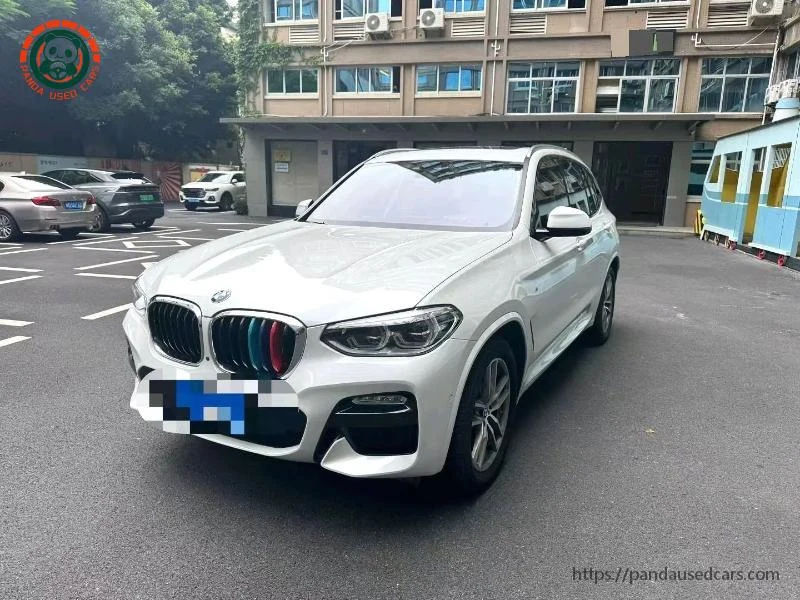
An M Sport description is an equipment question, not a complete engine or generation identification. Ask for the production record and the original market specification, then compare those with the installed parts. A bumper, steering wheel or emblem can be changed during ownership. It does not establish the complete factory package or the quality of the work. Use the vehicle equipment record to distinguish original options, later additions and items that remain unconfirmed. A dealer should be able to explain which parts of the offer support the premium without relying on a photograph of a badge.
Price the features your customer actually wants
List the reasons the customer requested M Sport before collecting prices. The attraction may be exterior appearance, a particular steering wheel, seating or a specified chassis option. Keep each feature separate because package contents differ by generation, market and configuration. Ask whether the buyer would still choose the car if one desired feature were absent. That answer identifies a requirement rather than a preference. A lower-priced car with verified essentials may fit better than a more expensive package with an attractive name. Do not value an undemonstrated function as though it has already passed inspection.
Experience the ride on the actual wheel setup
A styling preference should survive a practical comfort assessment. Record the wheel and tyre specification on the candidate, including any non-original fitment. Arrange a suitable driving assessment with the intended passengers and representative roads where available. Compare seat comfort, impact response and cabin disturbance under the same conditions; changing both the road and the occupants weakens the comparison. A package label alone cannot predict ride quality. If the customer mainly drives on damaged surfaces, ask whether the installed combination is appropriate and supportable before agreeing that its appearance deserves an additional payment.
Inspect costly visible components closely
The parts that attract a buyer also deserve a condition allowance. Ask for close views of wheel edges, bumper lower sections, seat bolsters and steering-wheel surfaces. Compare the findings with an agreed repair scope rather than assuming that every mark needs replacement. Where repainting or a changed part is disclosed, establish why it was done and whether the workmanship affects acceptance. A clean appearance is only one observation. Document any relevant clips, undertrays or mounting concerns for a qualified inspection instead of treating a neatly aligned exterior as proof that everything behind it is original.
Compare the premium after preparation
Keep the same generation, powertrain, market and buying stage when comparing two offers. Use the complete quotation method for included preparation, accessories, currency and delivery scope. Add identified wheel, tyre or trim work separately so that an apparent package bargain does not hide a larger ready-for-sale cost. Obtain destination workshop quotations when support matters. Avoid predicting a universal resale premium: local demand, vehicle condition and the specific options influence how an individual car will be received. Your allowance should reflect the buyer's requirements and evidence available today, not an assumed future selling price.
Put the accepted package in the purchase description
Once the comparison is complete, name the features on which the decision depends. Include the confirmed package description, any accepted modifications, current wheel specification and the agreed cosmetic condition. State whether photographs are illustrative or attached to the actual VIN. If a substitute is proposed, compare it against the same equipment requirements before approval. For a new candidate, retain pre-delivery checks and registration information; for a used one, retain its history and present condition. The useful outcome is a specified car your sales team can describe accurately, with the reasons for its price visible to the buyer.
If the attraction is mainly the wheel package, compare the comfort and replacement-cost implications before assigning the styling premium.
Before you agree the offer
- Original package and market established
- Required equipment demonstrated on the VIN
- Wheel and tyre combination recorded
- Visible component condition assessed
- Preparation included in the comparison
- Substitutions require equipment review
Buyer questions
Does M Sport identify an X3 M?
No. An M Sport equipment description does not by itself identify an X3 M performance model. Confirm the actual model and powertrain separately.
Should every dealer pay more for M Sport?
Only when the confirmed features and condition support the customer brief and complete buying allowance. The package name does not establish a universal resale premium.