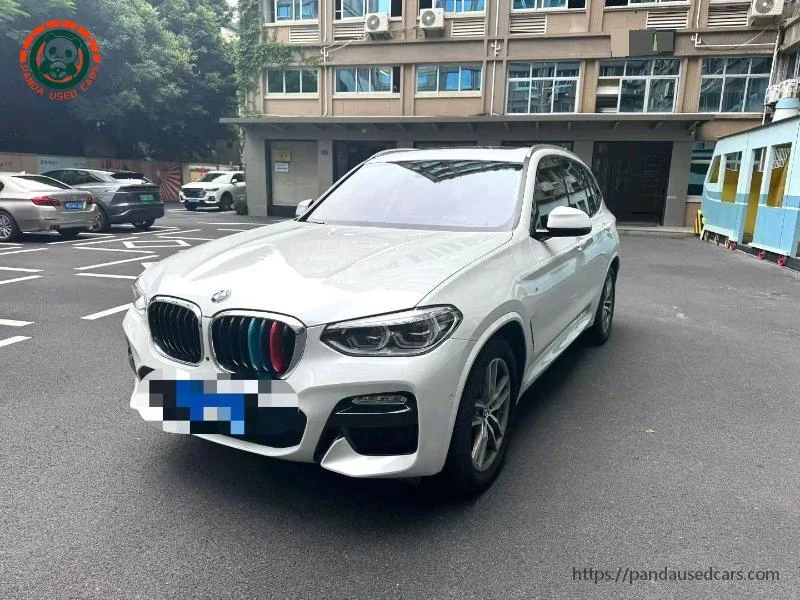
Confirm that the candidate is xDrive
Record the full model identity and installed drivetrain through the vehicle documentation and appropriate inspection. A badge can begin the enquiry, but it should not replace confirmation. Keep the generation and original market with the record because the applicable technical information must match the actual car.
Use the equipment and VIN record to identify wheel options and later alterations. If the seller describes an upgraded wheel package, request the exact specifications and basis for suitability. An attractive photograph does not establish that every component in the combination is appropriate.
Record all four tyres individually
Ask for size, make, model, relevant construction markings and measured tread information for each position. Include date markings and visible condition where assessable. Do not infer the whole set from the tyre closest to the camera or from an invoice that does not identify what was fitted.
The relevant vehicle documentation and a competent tyre provider should establish what matching requirements apply. Avoid applying an arbitrary internet tread-difference tolerance to every X3. Where the current set differs from the approved arrangement, have the difference assessed before pricing the car as ready for handover.
Distinguish approved mixed sizing from mismatch
Some vehicles may have an approved front/rear arrangement that is not identical at every position. Different printed sizes are therefore a reason to check the correct specification, not an automatic fault diagnosis. Equally, four tyres carrying the same nominal size do not answer every question about compatibility or wear.
Ask the workshop to explain the identified configuration in writing. If tyres have been changed individually over time, review the resulting complete set. Keep the proposed replacement plan connected to the approved vehicle setup rather than selecting whichever items are immediately available.
Investigate symptoms without jumping to a cause
Shudder, vibration or unusual behaviour in a normal driving assessment requires qualified investigation. Record when the observation occurred, vehicle conditions and any relevant messages. Do not diagnose a transfer-case failure from one short clip, or assume that fitting tyres will resolve every driveline concern.
The engine and driveline assessment should combine physical checks, applicable diagnostics and service information. If access or testing was restricted, keep that limitation visible. Clearing codes or resetting a system does not, by itself, demonstrate that the underlying concern has been resolved.
Read previous tyre and driveline work together
Request relevant invoices and the reason for any past work. A transfer-case-related repair, software action or tyre replacement should have a date and vehicle identity. Ask whether the original complaint was reassessed afterward and whether any limitations remain.
Do not treat a repaired component as evidence of inevitable future failure. Equally, a seller’s statement that work was done recently is not enough without a useful record. The buyer needs to understand the installed state, the completed intervention and the outcome that was actually checked.
Budget for a supported correction
If the fitted tyres require correction, request a complete quotation for the appropriate set and associated work. If a driveline fault remains unresolved, list it separately. A cheap tyre offer should not be used as a substitute for diagnosis or as a promise that the car will then meet the acceptance standard.
Use the parts and workshop plan to establish local capability and current supply. For a dealer receiving several cars, keep each configuration identifiable; shared xDrive badging does not make all tyre or component applications interchangeable across generations and markets.
If a tyre correction is proposed before release, photograph and record the completed set again. A quotation for an appropriate package does not establish what was ultimately installed. Keep the final four-position record with the repeat driving assessment, and have any substitution reviewed rather than assuming that an apparently similar tyre closes the original compatibility concern.
Close both the fitment and behaviour questions
Consider a candidate with mixed replacement histories and a reported low-speed vibration. The purchase condition could require a workshop assessment, an approved correction plan and a repeat observation after the agreed work. It should not simply state “replace tyres” while leaving the symptom unexplained.
For new offers, verify the actual delivery wheel and tyre specification and any dealer-fitted changes. For used ones, add the wear and repair record. Retain the approved final configuration at handover so later substitutions do not undo the basis on which the vehicle was accepted.