| Purchase situation | Evidence needed before agreement |
|---|---|
| Seller describes low-mileage stock as new | Confirm production, registration, reported use and commercial status independently. Odometer presentation alone cannot establish an unused vehicle or define the exact support start date. |
| Discount depends on a remaining-support claim | Obtain the responsible provider's written response for this vehicle and destination. Keep coverage terms separate from local workshop capability and unsupported manufacturer-wide expectations. |
| Earlier-build car has an acceptable assessed condition | Compare the complete saving after identified preparation and missing items. Do not reject it solely by age or treat every stored-stock description as an identical purchase proposition. |
Ask what the seller means by demonstrator or stock
Request production details, registration status, reported use and the commercial description of the actual offer. A vehicle kept in inventory, a registered display car and a driving demonstrator can raise different questions. Use the purchase-status guide to keep them distinct. Do not infer new status solely from odometer presentation or a recent listing. Where the seller uses several labels, ask for one clear description supported by available records. The buyer needs to know what they are purchasing before evaluating whether a lower asking price represents a useful saving against another identified car.
Review use and storage evidence separately
Ask how the car was used or held and what records are available. Keep reported history separate from current inspection findings. A low-mileage demonstrator may still need condition review, while earlier-build stock needs delivered-condition checks appropriate to its circumstances. Avoid assuming that storage caused a particular defect or that no use means no preparation is needed. Record dates and relevant work without inventing a complete history when evidence is missing. This allows the assessment provider to focus on the actual candidate and prevents an attractive inventory description from displacing the vehicle's individual record.
Inspect the starting condition the buyer will receive
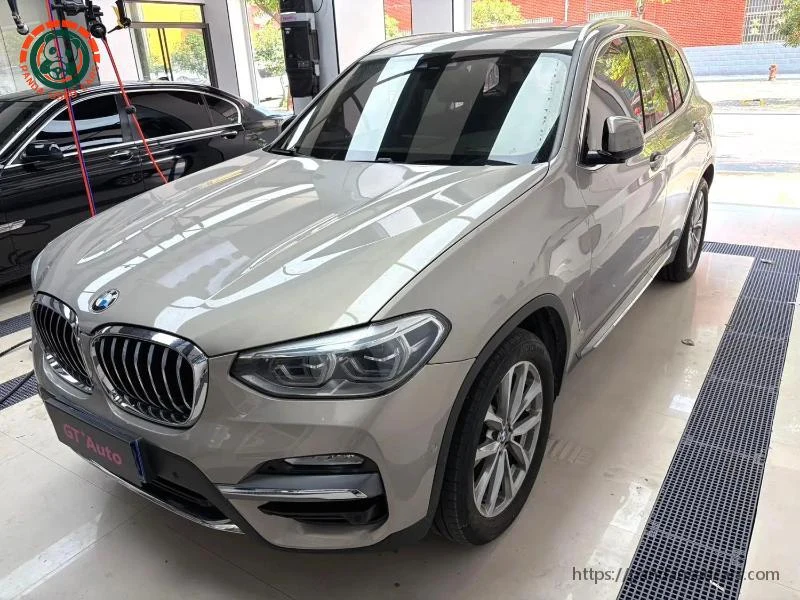
Agree an appropriate assessment of body, cabin, equipment and relevant systems. Identify visible wear, disclosed incidents and any preparation required before acceptance. Do not present a tidy showroom photograph as a complete pre-delivery inspection. Ask the provider to explain what was assessed and under what conditions, especially where the car could not be driven or all functions could not be demonstrated. New-described status does not remove the need to confirm the actual delivered configuration. A dealer should understand the starting condition and any limitations before promising the customer that the vehicle is equivalent to another unused offer.
Read support dates and scope as written terms
Ask the relevant party what support applies to the identified vehicle and destination, including start dates, responsible provider and written conditions. The warranty-after-export guide keeps a manufacturer's regional reference separate from a specific commitment. Registration or prior use may be relevant to the enquiry, but do not invent a universal consequence. Local service availability is also a separate question. Retain the actual response rather than treating a seller's phrase such as remaining warranty as complete evidence. The buyer needs terms they can evaluate and support they can realistically access for this transaction.
Calculate the saving after preparation and differences
Compare the candidate with another actual offer on the same equipment and delivery basis. Include identified preparation, missing accessories and any verified difference in support or included services. State currency and the date of quotations. Keep estimates and unresolved items separate from confirmed amounts. A headline discount can become less useful if the car does not meet an essential equipment or condition requirement. Conversely, earlier production or demonstrator status alone need not exclude a suitable documented vehicle. The customer's intended use and complete buying allowance should decide whether the verified saving justifies the actual differences.
Put the agreed status in the final description
Record production, registration, reported use, accepted condition and included preparation in the purchase file. Attach any support response with its limitations and keep accessories and access items identifiable. If the car is moved or used after assessment, request the agreed current evidence before release. A substitute requires a new status and condition review; the same stock label is not a guarantee of equivalent history. The receiving team and sales staff should have a transparent description of the actual vehicle. That makes the decision defensible without describing a demonstrator as unused or promising that every earlier-build stock offer represents the same saving.
Retain the accepted status and preparation in the release reconciliation so further use or a substitute cannot silently change the proposition.
Before you agree the offer
- Commercial status described precisely
- Production and registration established
- Use and storage evidence retained
- Delivered condition assessed
- Written support scope and dates checked
- Saving compared after preparation and missing items
Buyer questions
Does low mileage make a demonstrator new?
No. Establish registration, reported use and the actual commercial status separately.
Is old stock always a bad purchase?
No. Review the identified vehicle, preparation, written terms and the customer’s requirements before deciding whether the saving is useful.